
Qi2.2 Wireless Charging: Transforming Home Aesthetics with 25W Smart Power Solutions
Executive Summary
The wireless charging landscape has undergone a revolutionary transformation with the WPC's Qi2.2 standard, which now delivers up to 25W of power while maintaining surface temperatures below 40°C. As of July 2026, over 600 Qi2.2-certified products have entered the market, fundamentally changing how we integrate charging solutions into our living spaces. This comprehensive guide explores how the latest magnetic wireless charging technology seamlessly blends with modern home aesthetics, offering both performance and visual harmony for design-conscious homeowners.
Quick Navigation
- 📌 The Qi2.2 Revolution: A New Era for Home Charging
- 📌 Design Philosophy: Where Technology Meets Aesthetics
- 📌 Smart Integration: Building the Connected Home
- 📌 Temperature Management: Safety Without Compromise
- 📌 Practical Solutions: Elecdov Product Recommendations
- 📌 Future Outlook: The Evolution of Home Charging
Chapter 1: The Qi2.2 Revolution - A New Era for Home Charging
The wireless charging industry reached a pivotal milestone in December 2024 when the Wireless Power Consortium (WPC) officially launched the Qi2.2 standard, representing the most significant advancement in consumer wireless charging technology since Qi's inception in 2010. This breakthrough protocol delivers 25W maximum output power—a 67% increase over the original Qi2's 15W capability—while introducing stringent thermal management requirements that ensure device safety during high-power transmission.
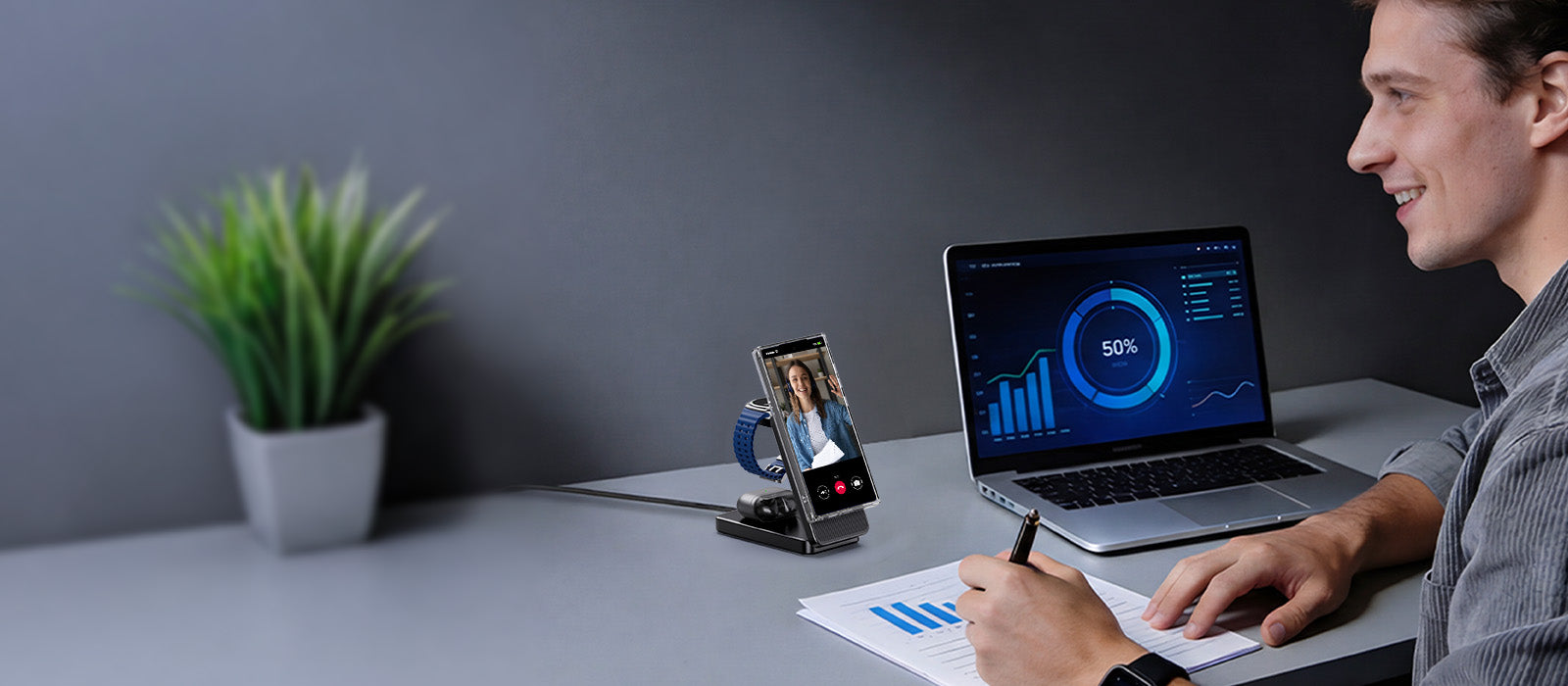
According to the WPC's official certification database, the adoption rate of Qi2.2 has been remarkable. By July 2026, the number of Qi2.2-certified products has exceeded 600 units globally, with the ecosystem growing at an average rate of 50-70 new certifications per month. This rapid proliferation demonstrates both manufacturer confidence in the technology and consumer demand for faster, more efficient wireless charging solutions.
The significance of Qi2.2 extends beyond mere power delivery improvements. The standard incorporates the Magnetic Power Profile (MPP) technology, originally developed from Apple's MagSafe ecosystem, which ensures perfect alignment between the charger and device. This alignment precision not only optimizes charging efficiency but also opens new possibilities for product design—charging stations can now be positioned vertically, horizontally, or at any angle while maintaining optimal power transfer.
| Standard | Max Power | Alignment Technology | Surface Temp Limit | Market Adoption |
|---|---|---|---|---|
| Qi 1.x (Legacy) | 5-15W | Manual placement | 45°C | 13,000+ products |
| Qi2 (2023) | 15W | Magnetic (MPP) | 42°C | 2,554 products |
| Qi2.2 (2025) | 25W | Magnetic (MPP) | 40°C | 600+ products |
For homeowners seeking to upgrade their charging infrastructure, the Qi2.2 standard represents a future-proof investment. The backward compatibility built into the specification ensures that Qi2.2 chargers work seamlessly with existing Qi-enabled devices, while providing enhanced performance for the latest smartphones from Apple, Samsung, and Google.
Chapter 2: Design Philosophy - Where Technology Meets Aesthetics
The integration of wireless charging technology into home environments has evolved from purely functional considerations to sophisticated design statements. Modern Qi2.2 charging stations are no longer mere power delivery devices; they serve as sculptural elements that complement interior design themes while maintaining practical utility. This transformation reflects a broader trend in consumer electronics where form and function achieve perfect equilibrium.
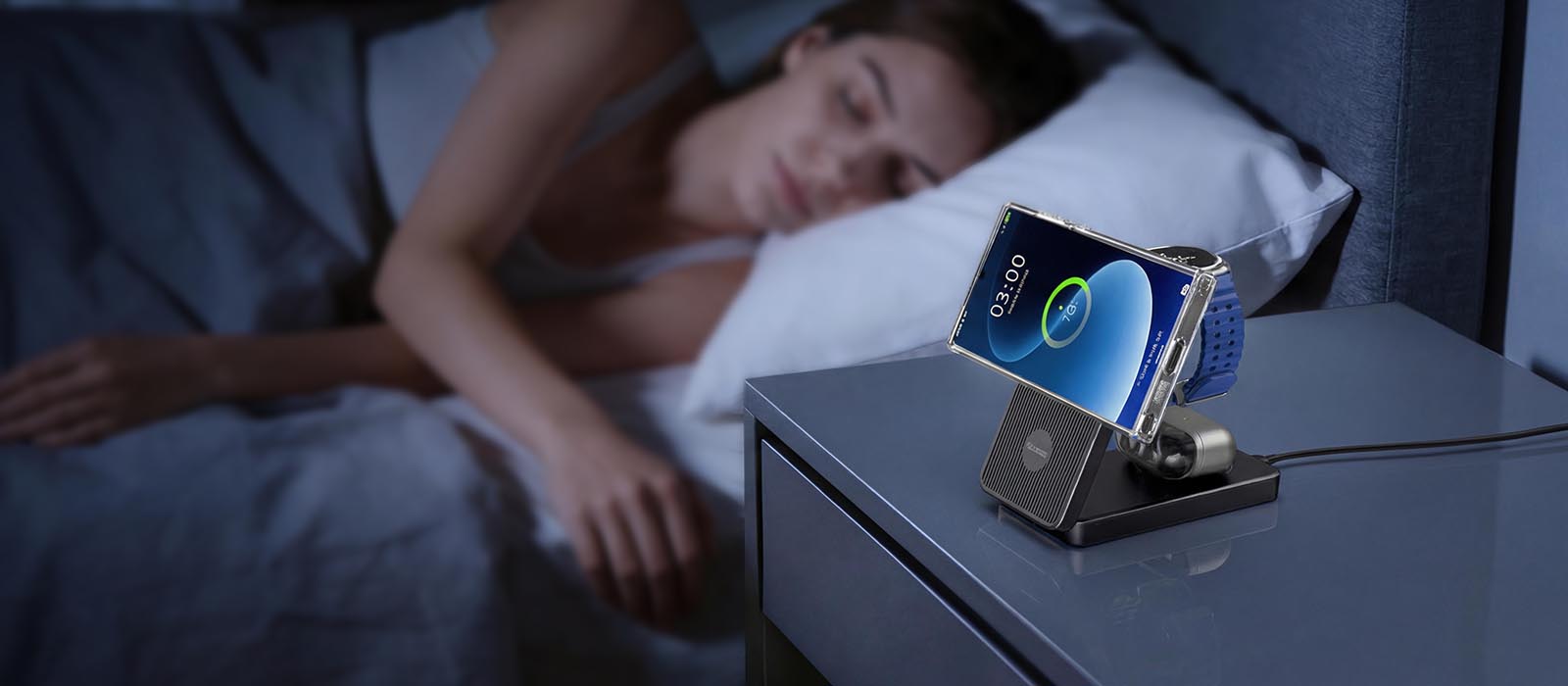
The design evolution of wireless charging hardware has been influenced by several key factors. First, the magnetic alignment system inherent in Qi2.2 eliminates the need for bulky charging cradles or precise positioning mechanisms. This allows designers to create sleek, flat charging surfaces that can be incorporated into furniture, wall mounts, or standalone decorative objects. Second, the improved thermal efficiency of Qi2.2 chargers reduces the need for visible cooling vents or heatsinks, enabling cleaner, more streamlined product aesthetics.
Material selection has become increasingly important in premium charging station design. Aluminum alloys, carbon fiber composites, and premium plastics with soft-touch finishes are now standard materials for high-end Qi2.2 products. These materials not only convey quality and durability but also integrate naturally with contemporary furniture materials such as wood, metal, and stone. The color palette of charging stations has similarly expanded, with manufacturers offering finishes ranging from classic black and white to metallic tones and custom Pantone-matched colors for enterprise clients.
Design Integration Strategies for Modern Homes
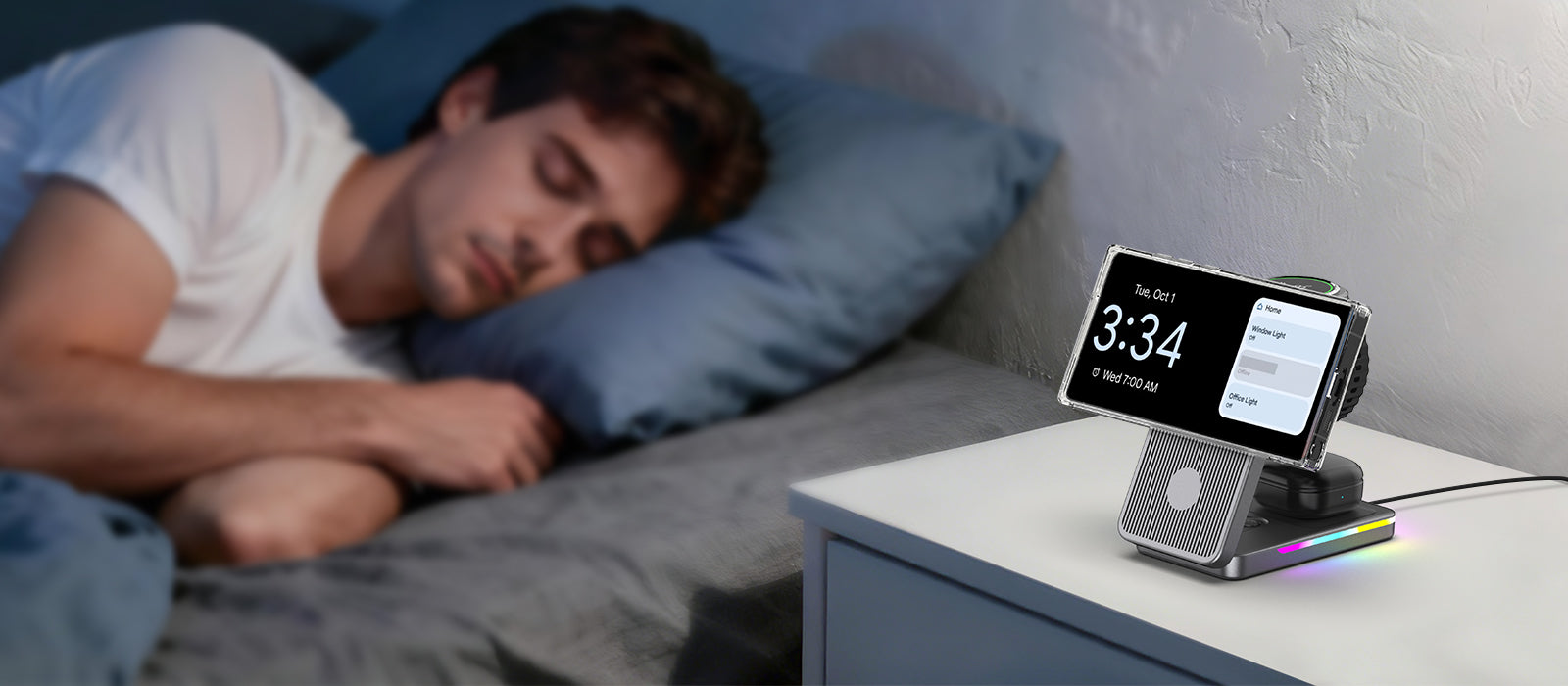
Bedside Solutions: Nightstand charging stations combine ambient lighting, device charging, and clock functions in unified designs that eliminate cable clutter while adding functional elegance to bedroom environments.
Living Room Integration: Coffee tables and side tables with embedded wireless charging surfaces provide convenient power access without disrupting the visual flow of social spaces.
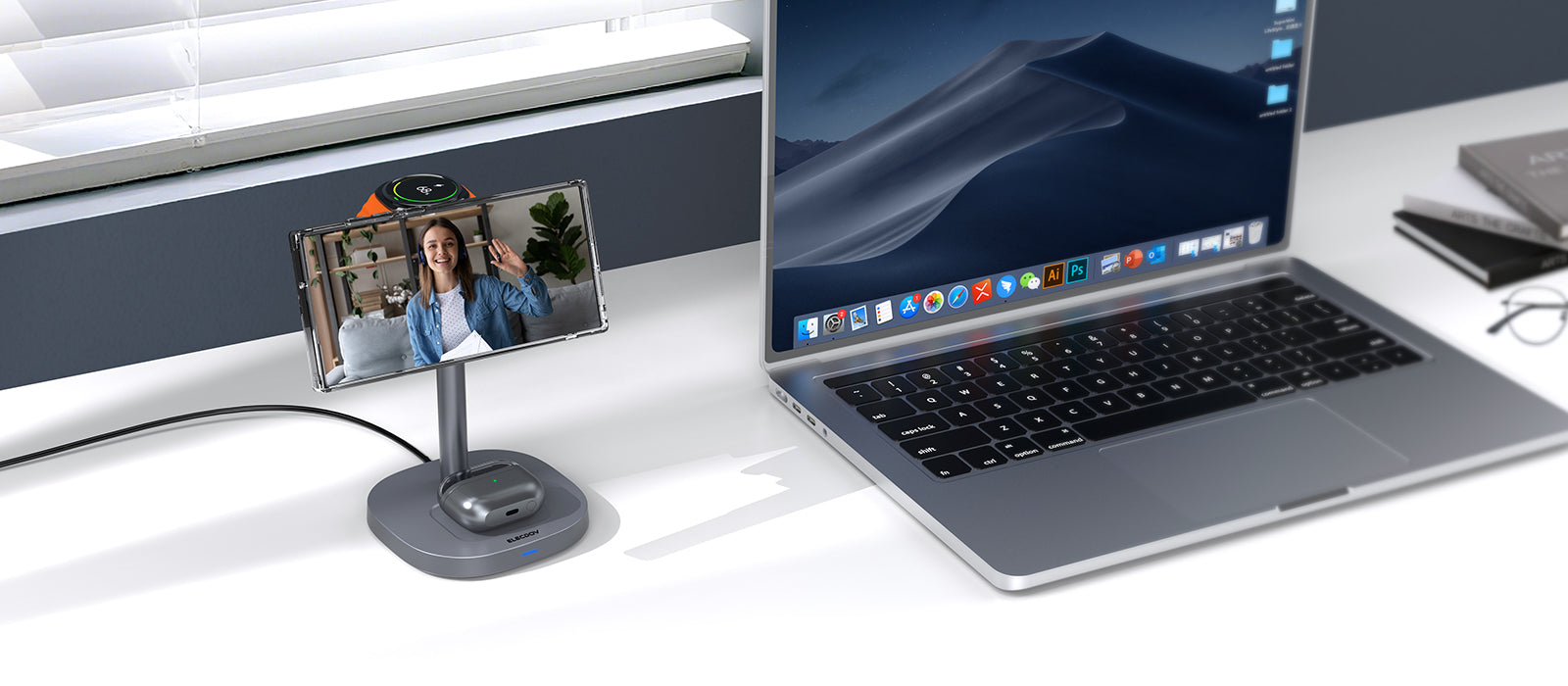
Workspace Enhancement: Desktop charging stations with adjustable stands serve dual purposes as device stands during work hours and charging hubs during breaks, maximizing utility while minimizing desk footprint.
The psychological impact of well-designed charging solutions extends beyond mere convenience. Research conducted by interior design consultants has shown that homes with integrated, visually harmonious charging setups are perceived as more organized and technologically sophisticated. This perception aligns with broader lifestyle trends toward minimalism and intentional living spaces where every element serves both practical and aesthetic purposes.
Chapter 3: Smart Integration - Building the Connected Home
The Qi2.2 standard arrives at a time when smart home technology has become mainstream, creating natural synergies between wireless charging infrastructure and home automation systems. Modern charging stations increasingly incorporate connectivity features that enable integration with smart home platforms, energy management systems, and device tracking applications. This connectivity transforms charging stations from passive power sources into active participants in the home technology ecosystem.
Energy monitoring capabilities represent one of the most valuable smart features in contemporary charging stations. Qi2.2 chargers equipped with power measurement circuits can track energy consumption patterns, providing homeowners with detailed insights into their charging habits. This data enables optimization of charging schedules to coincide with off-peak electricity rates, reducing both energy costs and environmental impact. Some advanced models integrate directly with home energy management systems, automatically adjusting charging power based on solar panel output or grid demand conditions.
Device recognition and inventory management features address a common challenge in multi-device households. Qi2.2 charging stations with NFC or Bluetooth Low Energy capabilities can identify specific devices placed on the charging surface, logging charging sessions and alerting users when devices reach full charge. This functionality proves particularly valuable in family settings where multiple devices require overnight charging, ensuring that phones, watches, and earbuds receive adequate power without overcharging.
| Smart Feature | Practical Benefit | Integration Platform |
|---|---|---|
| Energy Monitoring | Cost optimization, usage insights | Home Assistant, Apple HomeKit |
| Device Recognition | Charging logs, inventory tracking | Proprietary apps, Find My integration |
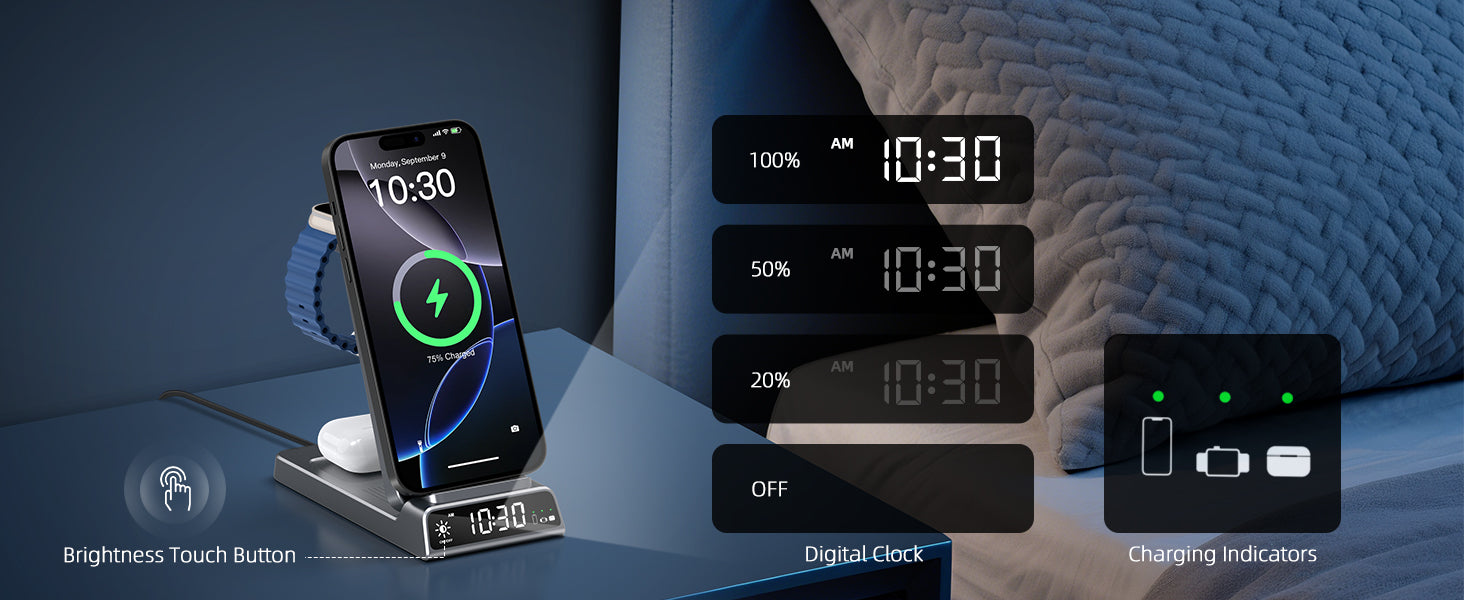
| LED Status Indicators | Visual charging confirmation | Standalone operation |
| Remote Management | Schedule control, power adjustment | Smartphone apps, voice assistants |
| Multi-Zone Coordination | Optimized power distribution | Enterprise management platforms |
Voice assistant integration has become a standard feature in premium charging stations. Compatibility with Amazon Alexa, Google Assistant, and Apple Siri enables hands-free control of charging functions and status queries. Users can simply ask their smart speakers to check charging status, adjust LED lighting, or even initiate charging sessions for specific devices. This integration exemplifies the seamless interaction between wireless charging technology and the broader smart home ecosystem.
Chapter 4: Temperature Management - Safety Without Compromise
Thermal management represents the most critical engineering challenge in high-power wireless charging, and Qi2.2's requirement to maintain surface temperatures below 40°C at 25W output demands innovative solutions. The WPC's stringent thermal specification ensures user safety and device protection, but achieving this performance requires sophisticated heat dissipation mechanisms that influence product design and material selection.

The thermal challenges of 25W wireless charging stem from fundamental physics: electromagnetic induction is inherently less efficient than wired power transfer, with typical conversion efficiencies ranging from 75% to 85%. At 25W output, this means 4-8 watts of heat must be dissipated from the charging station, requiring active thermal management strategies. Premium Qi2.2 chargers employ multiple approaches including aluminum heatsinks, thermal interface materials, forced-air cooling, and intelligent power modulation to maintain safe operating temperatures.
The introduction of independent thermal circuits in multi-device charging stations represents a significant advancement. Rather than sharing a single thermal budget across all charging zones, sophisticated charging stations assign separate thermal management systems to each coil assembly. This architecture enables simultaneous high-power charging of multiple devices without exceeding overall thermal limits, a capability that proves essential for households with multiple smartphones, watches, and earbuds requiring overnight charging.
Battery health preservation has emerged as a key concern among consumers, with research indicating that prolonged exposure to elevated temperatures accelerates lithium-ion battery degradation. Qi2.2's strict thermal limits directly address this concern, ensuring that devices remain within safe temperature ranges throughout the charging cycle. This thermal discipline extends battery lifespan, reducing the frequency of battery replacements and minimizing electronic waste—a benefit that aligns with growing consumer interest in sustainable technology practices.
Chapter 5: Practical Solutions - Elecdov Product Recommendations
For homeowners seeking to implement Qi2.2 wireless charging solutions, Elecdov offers a curated selection of products designed specifically for residential environments. Each product combines Qi2.2 certification with aesthetic design principles, ensuring both performance and visual harmony within home settings. The following recommendations cover diverse use cases from bedside charging to comprehensive multi-device stations.
Recommended Elecdov Products for Home Aesthetics
1. W98A - 3-in-1 Magnetic Charging Station for iPhone
Product Link
This premium charging station exemplifies the fusion of performance and design. With Qi2.2 certification delivering up to 25W for phones and optimized power for watches and earbuds, the W98A features a refined aluminum base that complements modern bedroom furniture. The integrated LED status indicators provide subtle ambient lighting while confirming charging status.
2. W98S - Samsung Qi2 Certified Three-in-One Magnetic Charging Station
Product Link
Designed for Samsung Galaxy households, the W98S offers Qi2.2-certified charging with deep Galaxy OS integration. The elegant design suits living rooms and home offices, providing simultaneous charging for Galaxy phones, watches, and earbuds.
3. WC01A - 3-in-1 Magnetic Charging Station for iPhone
Product Link
Perfect for Apple ecosystem homes, the WC01A delivers optimized charging for iPhones, Apple Watches, and AirPods. Its compact footprint suits bedside tables and desk setups alike.
4. WC01J - 2-in-1 Magnetic Charging Station for Garmin
Product Link
For households with Garmin wearables, this specialized charging station provides dedicated support while maintaining aesthetic consistency with Elecdov's broader product line.
Chapter 6: Future Outlook - The Evolution of Home Charging
The trajectory of wireless charging technology points toward even greater integration into home environments. Industry analysts project that by 2028, over 60% of new furniture will incorporate embedded wireless charging capabilities, transforming charging from an add-on function into a built-in feature. This evolution will further blur the distinction between charging hardware and home furnishings, creating truly seamless power delivery experiences.
The WPC continues to develop enhanced versions of the Qi standard, with Qi2.3 and beyond expected to introduce higher power levels for tablets and laptops, improved multi-device coordination protocols, and deeper integration with smart home energy management systems. These developments will expand the role of wireless charging from smartphone-centric applications to comprehensive household power delivery infrastructure.
Environmental sustainability considerations are increasingly influencing charging technology development. Future Qi standards may incorporate features such as automatic power-down when devices are fully charged, optimized charging curves that minimize battery degradation, and integration with home solar systems to prioritize renewable energy sources. These capabilities will appeal to environmentally conscious consumers seeking to reduce their carbon footprint through intelligent technology choices.
Frequently Asked Questions
Q1: Is Qi2.2 charging safe for my devices?
A: Yes, Qi2.2 certification requires rigorous safety testing and thermal management. The 40°C surface temperature limit ensures device safety even during extended charging sessions.
Q2: Will Qi2.2 chargers work with my existing Qi devices?
A: Absolutely. Qi2.2 chargers are fully backward compatible with all Qi-certified devices, automatically adjusting power delivery to match device capabilities.
Q3: How much faster is Qi2.2 than previous standards?
A: Qi2.2 delivers up to 25W compared to Qi2's 15W—a 67% increase that can reduce charging time by 30-40% for compatible devices.
Q4: Do I need special cases for magnetic charging?
A: Magnetic alignment requires either built-in device magnets (iPhone 12+, Samsung S24+) or compatible magnetic cases. Standard Qi devices still charge wirelessly via standard alignment.
Q5: Can I leave devices on Qi2.2 chargers overnight?
A: Yes, Qi2.2 chargers include overcharge protection and thermal management that make overnight charging safe and efficient for all compatible devices.
Related Articles
- World Cup 2026 & Qi2.2 Wireless Charging: Power Your Passion
- Wireless Charging Technology Evolution: Market Landscape and Future Outlook for 2026
- Summer 2026 Travel Charging Guide: How Qi2.2 25W Magnetic Charging Is Transforming On-the-Go Power
Ready to Transform Your Home Charging Experience?
Explore Elecdov's complete lineup of Qi2.2-certified charging solutions designed for modern homes.


